
Please Choose Your Language

Views: 0 Author: Site Editor Publish Time: 2025-09-05 Origin: Site

Did you know oil-immersed transformers are essential for efficient power distribution? These transformers use insulating oil for cooling and insulation, ensuring stable operation. In this post, you'll learn about their structure, advantages, challenges, and applications across industries. Discover why they are vital in modern electrical systems and explore future trends shaping their evolution.
Oil-immersed transformers consist of several key parts working together to ensure efficient power transfer. The core is made of laminated steel sheets, which help reduce energy loss. Surrounding the core are copper or aluminum windings responsible for carrying electrical current. These windings are submerged in insulating oil inside a sealed tank. This oil serves two main purposes: cooling the transformer and insulating the internal components.
The tank is typically made from steel and designed to withstand environmental conditions. It includes a conservator tank to allow for oil expansion and contraction due to temperature changes. Other important components include bushings, which provide insulated passage for electrical conductors, and radiators or cooling fins that help dissipate heat.
The transformer operates on the principle of electromagnetic induction. When an alternating current flows through the primary winding, it creates a magnetic field in the core. This magnetic field induces a voltage in the secondary winding, transforming the voltage level up or down depending on the design.
The insulating oil plays a crucial role by absorbing heat generated during this process. As the transformer operates, the oil circulates naturally or with the help of pumps, moving heat away from the windings and core to the tank walls or radiators. This cooling mechanism prevents overheating, maintaining the transformer's efficiency and prolonging its life.
Several types of insulating oils are used, each with distinct properties:
Mineral Oil: The most common type, mineral oil is cost-effective and provides good insulation and cooling. Crucially, TSTY utilizes brand-new mineral insulating oil, ensuring optimal performance, lower operating temperatures, and the ability to sustain long-term full-load operation without degradation. This contrasts sharply with practices where recycled oil is used to cut costs, compromising reliability. While flammable and posing environmental risks if leaked, its purity and consistent quality are fundamental to transformer longevity.
Silicone Oil: Offers higher fire resistance and thermal stability but comes at a higher cost.
Natural Ester Oil: Derived from vegetable oils, it is biodegradable and less flammable, making it an eco-friendly choice.
Synthetic Ester Oil: Man-made oils designed for high performance and environmental safety, often used where strict regulations apply.
Selecting the right oil depends on factors like environmental conditions, safety requirements, and budget. The commitment to using only new, high-grade mineral oil is a cornerstone of TSTY’s design philosophy for robust oil-immersed transformers.
Note: Regularly monitoring oil quality in transformers helps detect early signs of wear or contamination, ensuring reliable operation and safety.
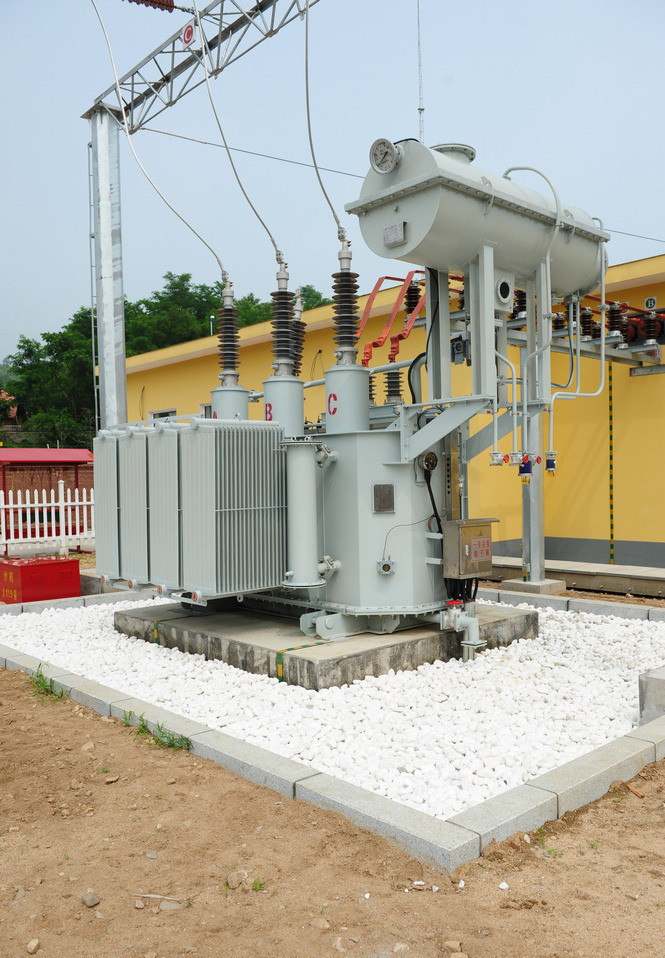
Efficiency and Performance
Oil-immersed transformers excel in efficiency and reliability. The insulating oil minimizes energy losses by maintaining optimal operating temperatures. Cooler operation reduces winding resistance, wasting less energy as heat—lowering costs and improving power quality. They handle higher loads than comparable dry-type units, ideal for heavy industry, ensuring stable voltage regulation even with fluctuating demands.
Cooling Mechanism
A key advantage, visible in the design, is their effective cooling system. The oil absorbs heat from the core and windings, transferring it to the tank walls and prominent cooling fins/radiators(as shown above), where it dissipates. Natural convection circulates the oil, or pumps enhance flow. This continuous heat removal prevents overheating, protecting components and boosting reliability. Some models add fans or pumps for superior high-load cooling.
Longevity and Durability
Oil-immersed transformers offer exceptional longevity. The oil provides a robust insulating barrier, shielding windings and core from moisture and contaminants—reducing insulation breakdown risks. Its cooling effect also slows thermal aging of insulation materials. With proper maintenance, these durable units deliver consistent performance for decades, thriving in demanding environments thanks to efficient heat management and oil-sealed protection.
Oil-immersed transformers use insulating oil, often mineral oil, which poses environmental risks if leaks occur. This oil can contaminate soil and water, harming ecosystems. Disposal of used oil requires careful handling to avoid pollution. Although natural ester and synthetic ester oils offer more eco-friendly options due to biodegradability and lower flammability, these oils can be more expensive. Regulations increasingly demand transformers use environmentally safer oils, pushing manufacturers and users to consider greener alternatives.
Maintaining oil-immersed transformers involves regular checks to ensure oil quality and system integrity. Oil testing helps detect moisture, acidity, and dissolved gases, which indicate potential faults or deterioration. Over time, the oil may degrade or become contaminated, requiring filtration or replacement. Additionally, the tank, bushings, and cooling systems need inspection for leaks, corrosion, or mechanical damage. Maintenance can be costly and time-consuming but is essential to prevent failures and extend transformer life.
Oil-immersed transformers contain flammable oil, creating fire hazards, especially under fault conditions or overheating. Proper installation, including fire barriers and adequate ventilation, reduces these risks. Monitoring temperature and pressure gauges helps detect abnormal conditions early. In some environments, such as chemical plants or forests, the fire risk may be unacceptable, prompting use of dry-type transformers instead. Safety standards and codes guide installation and operation to protect personnel and property.
Tip: Schedule regular oil analysis and inspections to catch early signs of wear or leaks, ensuring safer and more reliable transformer operation.
Oil-immersed and dry-type transformers serve similar functions but differ significantly in design and operation. Oil-immersed transformers use insulating oil to cool and insulate internal components. This oil circulates inside a sealed tank, absorbing heat from the core and windings. In contrast, dry-type transformers rely on air—either natural or forced circulation—to cool their windings. They do not contain any liquid coolant.
The presence of oil makes oil-immersed transformers larger and heavier because of the tank and oil volume. Dry-type transformers are more compact and lighter, making them easier to install indoors or in confined spaces. Oil-immersed units typically require more extensive maintenance due to oil testing and handling, while dry-type transformers need less upkeep.
Another key difference lies in fire risk. Oil-immersed transformers use flammable oil, raising concerns about fire hazards, especially in enclosed or sensitive environments. Dry-type transformers eliminate this risk by using air cooling and solid insulation, making them safer for indoor or hazardous locations.
| Feature | Oil-immersed Transformers | Dry-type Transformers |
|---|---|---|
| Cooling Method | Oil-based cooling, effective for high loads | Air-based cooling, suitable for moderate loads |
| Size and Weight | Larger, heavier due to oil and tank | Compact, lighter |
| Maintenance | Requires regular oil testing and maintenance | Minimal maintenance |
| Fire Risk | Higher due to flammable oil | Low, no flammable liquids |
| Efficiency | Generally higher efficiency under heavy loads | Slightly lower efficiency at high loads |
| Installation Location | Often outdoors or in well-ventilated areas | Ideal for indoor or confined spaces |
| Environmental Impact | Risk of oil leaks and contamination | Pollution-free operation |
| Cost | Usually lower initial cost but higher maintenance | Higher upfront cost but lower maintenance cost |
Selecting the right transformer depends on your application, environment, and safety requirements. If you need a transformer for heavy industrial use, where high load capacity and efficiency are critical, oil-immersed transformers are often the preferred choice. Their superior cooling allows them to handle higher loads reliably.
For indoor installations, especially in commercial buildings, hospitals, or places where fire safety is paramount, dry-type transformers offer advantages. Their compact size, lower fire risk, and minimal maintenance make them suitable for these settings.
Environmental regulations may also influence your choice. If minimizing environmental impact is a priority, dry-type transformers or oil-immersed transformers using biodegradable natural ester oils can be considered.
Cost considerations include both upfront purchase price and long-term maintenance expenses. While oil-immersed transformers may cost less initially, ongoing oil testing, filtration, and potential leak repairs add to lifecycle costs.
Tip: Assess your facility’s load demands, space constraints, and safety regulations carefully before choosing between oil-immersed and dry-type transformers to ensure optimal performance and compliance.
Oil-immersed transformers are widely used in heavy industries due to their ability to handle high voltages and large power loads efficiently. Factories, steel plants, and manufacturing facilities rely on these transformers to supply stable power for heavy machinery and production lines. Their robust cooling system allows continuous operation under demanding conditions without overheating. For example, in steel mills, oil-immersed transformers power electric arc furnaces, which require large, fluctuating currents. The durability and longevity of these transformers reduce downtime and maintenance costs, making them ideal for industrial environments.
In residential and commercial settings, oil-immersed transformers provide reliable voltage transformation for power distribution. They are commonly found in electrical substations that supply neighborhoods, office buildings, shopping centers, and hospitals. Padmount transformers, a type of oil-immersed transformer, are often installed outdoors in public spaces. These units are locked and weatherproof, ensuring safety and durability. Their efficient cooling and insulation help maintain stable voltage levels, preventing damage to sensitive electronics and appliances in homes and businesses.
Certain specialized sectors also benefit from oil-immersed transformers. Utilities use them for power transmission and distribution networks, helping to manage load demands across large geographic areas. Renewable energy facilities, such as solar farms and wind parks, often incorporate oil-immersed transformers to step up generated voltages for grid connection. Additionally, oil-immersed transformers are used in mining operations, railways, and petrochemical plants where high reliability and safety standards are essential. In these cases, transformers may be designed with specific features like enhanced fire resistance or customized cooling systems to meet unique operational requirements.
Tip: When selecting an oil-immersed transformer, consider the specific load demands and environmental conditions of your application to ensure optimal performance and safety.
Oil-immersed transformers continue evolving thanks to new technologies improving efficiency, safety, and monitoring. Smart sensors now enable real-time tracking of temperature, oil quality, and load conditions. These sensors help detect potential faults early, reducing downtime and maintenance costs. Advances in materials, like improved insulating oils and enhanced winding designs, increase transformer performance and lifespan.
Digital control systems integrate with transformers, allowing remote operation and diagnostics. This connectivity supports predictive maintenance, helping operators plan repairs before failures occur. Emerging cooling technologies, such as enhanced forced oil circulation and hybrid cooling systems, provide better heat dissipation, enabling transformers to handle higher loads safely.
Moreover, manufacturers are developing compact designs that maintain capacity while reducing size and weight. These innovations make installation easier, especially in space-limited environments. Automation in manufacturing also improves quality and consistency, ensuring reliable transformers for demanding applications.
Environmental concerns drive innovation in transformer oil and design. Biodegradable natural ester oils gain popularity as safer alternatives to traditional mineral oils. They reduce fire risk and environmental damage if leaks happen. Synthetic esters also offer eco-friendly options with superior thermal stability.
Manufacturers focus on reducing oil volume and improving tank sealing to minimize leak risks. Recycling and reconditioning of insulating oils become standard practices to lower waste. Some companies explore solid insulation combined with minimal oil use, blending oil-immersed and dry-type transformer benefits.
Regulations worldwide increasingly require transformers to meet strict environmental standards. This pushes the industry toward greener materials and designs. Energy efficiency improvements also reduce power losses, lowering carbon footprints of electrical systems using these transformers.
The demand for oil-immersed transformers remains strong, especially in industries requiring high-capacity power distribution. Growth in renewable energy projects, like wind and solar farms, fuels need for reliable transformers to connect to grids. Urbanization and infrastructure expansion in developing regions also increase transformer installations.
However, the market faces challenges from stricter environmental regulations and competition from dry-type transformers in certain applications. Manufacturers respond by offering transformers optimized for lower environmental impact and enhanced safety.
Investment in research and development accelerates innovation, focusing on smart grid compatibility and integration with energy management systems. The transformer market is expected to grow steadily, driven by modernization of power networks and increasing electrification worldwide.
Tip: Adopt transformers featuring smart monitoring and eco-friendly oils to boost reliability, comply with regulations, and reduce environmental risks.
Oil-immersed transformers efficiently transfer power through electromagnetic induction using components like laminated steel cores and copper windings. The insulating oil cools and protects these parts, enhancing performance and longevity. Despite environmental and maintenance challenges, their high efficiency and load capacity make them ideal for industrial use. TSTYNICE offers transformers with advanced features, ensuring reliability and compliance with safety standards. For more insights on oil-immersed transformers, explore resources provided by TSTYNICE.
A: An oil immersed transformer is a type of electrical transformer that uses insulating oil for cooling and insulation of its internal components.
A: It operates on electromagnetic induction, using oil to dissipate heat generated during voltage transformation.
A: Oil immersed transformers offer higher efficiency and load capacity, making them suitable for heavy industrial applications.
A: Regular oil quality checks and system inspections are needed to ensure reliability and prevent failures.


