Please Choose Your Language

Views: 0 Author: Site Editor Publish Time: 2026-06-05 Origin: Site
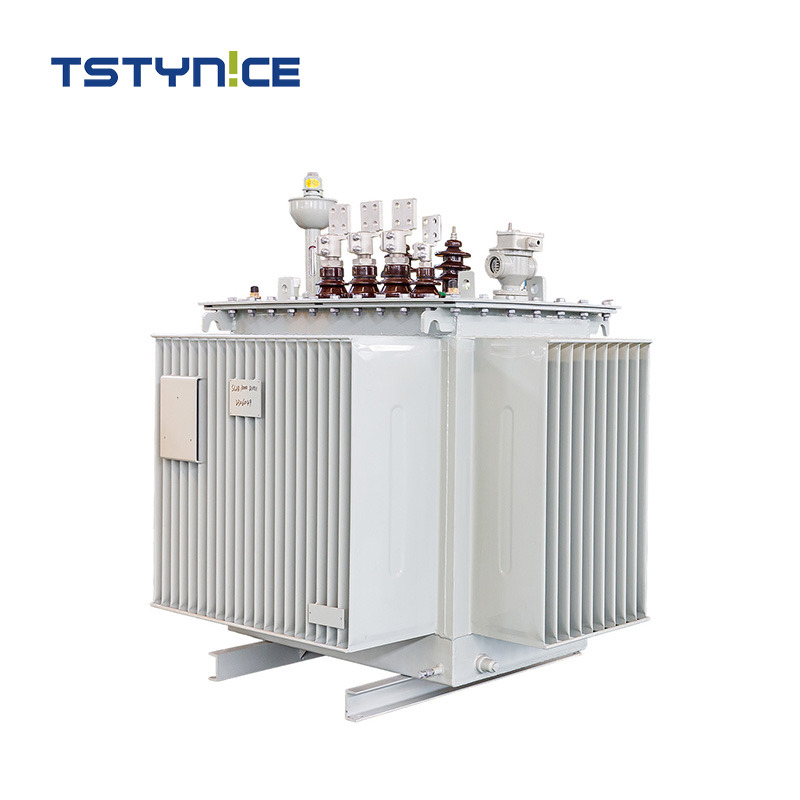
In heavy industrial, mining, and coastal facilities, power infrastructure faces extreme operational realities. Equipment failure here guarantees catastrophic downtime and immediate safety risks. Operators cannot afford fragile power systems in these locations. You must frame the selection of power transformers as a critical risk-management decision. It goes far beyond checking off a simple procurement list. Decision-makers need to evaluate specific environmental stressors before finalizing any equipment specification. An Oil-Immersed Power Transformer remains the definitive engineering standard for high-stress, contaminant-heavy, and temperature-volatile environments. We will explore its empirical thermal advantages and structural resilience below. Readers will learn exactly how fluid-filled systems isolate internal components from external threats. You will also discover the mechanisms driving their superior load-handling capabilities. Selecting the right design ensures continuous power delivery when conditions turn hostile.
Oil-immersed power transformers offer superior heat dissipation, directly correlating to extended operational lifespans under heavy and fluctuating loads.
Hermetically sealed designs provide an impermeable barrier against corrosive gases, coastal salinity, and conductive dust.
Procurement evaluation must hinge on specific environmental variables: ambient temperature ranges, altitude, and local environmental compliance standards.
Engineers must define "harsh environments" through strictly measurable parameters. Subjective descriptions fail to capture the severe operational risks. A true harsh environment typically involves ambient temperatures exceeding 40°C or plunging below -20°C. High humidity levels often remain constant. Salt fog heavily blankets coastal zones. Airborne particulates saturate mining and heavy manufacturing sites. These variables directly attack the structural integrity of electrical equipment.
Deploying standard commercial-grade units in extreme industrial settings invites rapid degradation. Unsuited insulation systems deteriorate quickly. Conductive dust coats internal components easily. This build-up traps heat and introduces severe short-circuit risks. Winding failures become inevitable under these conditions. Industrial operators face sudden power outages. These outages shut down production lines instantly. Safety hazards multiply when standard equipment catastrophically fails.
Continuous power delivery requires a fundamentally robust design philosophy. Equipment operating in hostile zones needs active, high-capacity cooling. It also demands absolute isolation from atmospheric contaminants. You cannot expose core windings to corrosive gases. External moisture must never reach the internal paper insulation. Specifying an appropriately engineered solution prevents these failure modes. The enclosure must physically defend the core. The internal medium must aggressively manage thermal stress.
Environmental Stressor | Technical Definition | Primary Risk to Transformers |
|---|---|---|
Extreme Heat | Ambient temperatures >40°C | Accelerated paper insulation breakdown. |
Extreme Cold | Ambient temperatures <-20°C | Fluid viscosity spikes; sluggish start-ups. |
Airborne Particulates | Conductive dust or heavy debris | Blockage of cooling airways; short circuits. |
Coastal Salinity | Salt fog and high airborne chlorides | Rapid external tank corrosion and rust. |
Heavy industries demand massive amounts of power constantly. Motors start and stop frequently. These operations create severe thermal stress inside power delivery equipment. Superior cooling mechanisms separate robust systems from fragile ones. An Oil-Immersed Power Transformer utilizes liquid dielectrics to achieve remarkable cooling efficiency.
Insulating fluid transfers heat far more effectively than ambient air. Mineral oil, natural esters, and silicone fluids possess high specific heat capacities. As the internal core and windings generate heat, the surrounding fluid absorbs it. Hot fluid naturally rises toward the top of the tank. It then circulates through external radiators. The fluid releases thermal energy into the surrounding atmosphere. It cools, becomes denser, and flows back to the bottom. This continuous convection loop passively protects the internal insulation system.
Industrial applications frequently experience transient overloads. Voltage spikes hit the system during heavy motor starts. This creates sudden, intense bursts of internal heat. Fluid-filled units handle these spikes exceptionally well. The massive volume of internal liquid acts as a thermal buffer. It absorbs short-term thermal shocks effortlessly. The paper insulation remains safely below critical degradation temperatures. This fluid barrier prevents premature winding failure.
Engineers categorize cooling methods based on fluid and air movement. The proper classification dictates how well the unit survives high-ambient heat.
ONAN (Oil Natural Air Natural): Relies entirely on passive convection. The fluid circulates naturally. The surrounding air cools the radiators naturally. This works well for baseline continuous loads in open areas.
ONAF (Oil Natural Air Forced): Adds high-velocity cooling fans to the radiators. The fluid still circulates naturally inside. The fans force massive volumes of air across the cooling fins. This drastically increases heat dissipation rates.
Forced cooling configurations maintain nominal operating temperatures even in brutal environments. Steel mills and desert solar farms rely heavily on ONAF setups. The active airflow strips heat away faster than passive radiation alone. You must match the cooling class to your expected peak loads and peak ambient temperatures.
Atmospheric defense stands as the most critical requirement for harsh environment survival. You cannot protect internal components if the enclosure breathes dirty air. Fluid-filled designs offer inherent structural advantages over open-air alternatives.
Dry-type units require louvered enclosures to allow airflow. These ventilations let air pass over the windings to cool them. Unfortunately, these openings also invite airborne hazards. Dust, dirt, and corrosive gases flow freely inside. By contrast, a sealed fluid-filled unit provides an impermeable barrier. The heavy steel tank locks out the external atmosphere completely. The internal active parts remain totally submerged. They never touch outside air.
The internal fluid acts as a permanent protective envelope. It displaces oxygen around the core and windings. This prevents internal oxidation entirely. However, the exterior tank faces severe chemical threats in certain zones. Coastal installations endure constant salt spray. Chemical plants expose equipment to acidic vapors. Manufacturers deploy specialized exterior treatments to combat this.
Marine-Grade Epoxy Coatings: Multiple layers of specialized paint seal the steel. They resist chipping and block chloride penetration.
Galvanized Radiators: Hot-dip galvanizing protects the delicate cooling fins. It sacrifices zinc to save the underlying steel from rust.
Stainless Steel Hardware: External bolts and hinges utilize marine-grade stainless alloys. This prevents localized rust trails.
Moisture presents the deadliest threat to electrical insulation. Water dramatically lowers the dielectric strength of paper. High-humidity zones pose continuous risks. Sealed tanks neutralize this threat effectively. When fluid levels fluctuate due to temperature changes, the tank must accommodate the pressure. Engineers use silica gel breathers to filter incoming air. The gel strips all moisture from the air before it enters the conservator tank. In extreme cases, nitrogen blanket systems provide a pressurized inert gas layer above the fluid. This ensures zero oxygen or moisture ever touches the oil.
Field engineers demand equipment capable of surviving decades in hostile conditions. Longevity directly relies on the structural and chemical stability of the unit. Field data consistently proves the durability of fluid-filled systems.
Standard engineering expectations place the operational lifespan of heavily built fluid units at 25 to 30 years. Some units exceed this under careful management. They survive extreme conditions because the internal environment remains perfectly controlled. Unsuited air-cooled units often suffer accelerated failure rates in identical conditions. Their exposed windings degrade faster under dust accumulation and humidity. The sealed liquid envelope simply preserves the core materials longer.
You must maintain a realistic view of operational requirements. These units are highly robust, but they are not entirely maintenance-free. Operators must perform specific checks to guarantee longevity.
Dissolved Gas Analysis (DGA): Technicians pull fluid samples periodically. The lab analyzes the fluid for specific trace gases. High ethylene indicates severe overheating. High hydrogen warns of internal partial discharge. DGA provides an exact health report of the internal components.
Visual Leak Inspections: Maintenance teams walk the perimeter regularly. They check radiator seams and valve seals for weeping fluid. Catching a small drip prevents a catastrophic low-fluid event.
Desiccant Replacement: Operators must monitor the silica gel breathers. When the pink indicator shows moisture saturation, crews must replace the gel immediately.
Operational Metric | Fluid-Filled Systems | Dry-Type Systems |
|---|---|---|
Contaminant Isolation | Absolute (Hermetically Sealed) | Vulnerable (Louvered Enclosures) |
Thermal Shock Capacity | Excellent (High Fluid Heat Capacity) | Limited (Air Cools Poorly) |
Typical Overload Tolerance | High (Thermal Buffering) | Low (Rapid Heating) |
Maintenance Needs | Fluid Sampling, Leak Checks | Frequent Vacuuming, Filter Changes |
Common Mistake: Neglecting routine DGA testing. Operators often assume a sealed unit needs no internal checking. DGA acts as an early warning system. Skipping it invites sudden, unpredicted failures.
Procurement teams cannot simply order a generic unit out of a catalog. Harsh environments require deliberate engineering choices. You must align the technical specifications precisely with the geographic and operational realities of your site.
The type of insulating fluid changes the entire safety profile of the installation. Buyers must choose carefully based on local regulations and environmental sensitivities.
Traditional mineral oil remains the industry workhorse. It offers excellent cooling and dielectric strength. However, it requires careful spill containment. High-fire-point synthetic fluids provide extra safety. They ignite at much higher temperatures. Engineers specify these for densely packed industrial facilities. Biodegradable natural esters offer massive environmental benefits. They break down naturally if spilled. Forestry and sensitive water-adjacent facilities mandate ester fluids.
Geography dictates structural modifications. A standard design will fail if placed outside its intended operating window.
Cold Climates: Standard mineral oil thickens dangerously in extreme cold. Viscous fluid cannot circulate. The core overheats even in freezing weather. You must specify cold-start compliant oils or localized tank heaters to maintain viscosity.
High Altitude Installations: Air becomes thinner above 1000 meters. Thin air cools radiators poorly. It also provides less external dielectric insulation. Engineers must physically upsize the radiators. They must also increase external bushing clearances to prevent electrical arcing.
Seismic and Heavy Vibration Zones: Mining operations involve constant blasting. Earthquake zones experience severe ground movement. The tank requires extra steel gussets. The internal core-coil assembly needs rigorous mechanical bracing. This prevents the heavy copper coils from shifting and shorting out.
Engaging a manufacturer requires demanding exact proof of performance. You must request Factory Acceptance Testing (FAT) data. Ensure the manufacturer performs strict temperature rise tests. These tests prove the cooling system handles the rated load. Demand impulse tests to verify the insulation withstands sudden voltage spikes. Finally, request custom paint thickness verification. Inspectors use magnetic gauges to prove the marine-grade coating meets the specified mil-thickness. Do not accept equipment without these certified test reports.
Specifying electrical equipment for hostile environments requires uncompromising engineering standards. An oil-immersed unit provides the most resilient defense against heavy industrial realities. The fluid permanently isolates internal components from corrosive gases and conductive dust. Furthermore, the thermodynamic capacity of the liquid dielectric actively absorbs severe load spikes. These systems offer unmatched physical longevity when properly configured.
Site operators must take deliberate action before procurement. Audit your site's specific environmental stressors immediately. Measure your ambient temperature extremes. Document your local atmospheric contaminants. Map out your physical footprint constraints. Armed with this data, engage a specialized manufacturer. Request a custom thermal and structural assessment. Building your system around the exact realities of your location guarantees uninterrupted power delivery when you need it most.
A: Yes, they are safe when properly specified. Extreme cold severely increases fluid viscosity. Sluggish fluid cannot circulate, leading to localized internal overheating. Engineers solve this by specifying special low-pour-point oils. They also implement controlled cold-startup procedures or install external tank heaters to warm the fluid before heavy loads apply.
A: Fluid-filled units require far less internal cleaning. The heavy steel tank completely seals out dust. You only need to pressure-wash or blow debris off the external radiator fins. Conversely, dust easily penetrates dry-type enclosures. It coats their internal windings directly, requiring frequent, labor-intensive internal vacuuming to prevent overheating.
A: Most jurisdictions require strict secondary containment to prevent soil or water contamination. Operators usually construct concrete catchment basins or protective bunding around the installation pad. These physical barriers must hold the entire fluid volume of the equipment, plus a buffer margin for heavy rainfall, complying with local environmental regulations.
A: Absolutely. Heavy motor starts generate massive, sudden thermal spikes. Liquid insulating fluids possess very high specific heat capacities. The heavy volume of internal oil acts as a thermal buffer, aggressively absorbing these short-term shocks. This prevents the delicate paper insulation from degrading under sudden stress.