
Views: 0 Author: Site Editor Publish Time: 2026-10-23 Origin: Site

Modern commercial and industrial facilities demand power distribution that is highly reliable, exceptionally safe, and extremely space-efficient. As a frontline electrical engineer, I have spent years navigating cramped utility rooms and sprawling factory floors. I know firsthand the severe headaches associated with traditional oil-filled units. Those liquid-cooled systems present inherent challenges. They introduce severe fire hazards into building infrastructures. They create the environmental nightmare of toxic oil leaks. Furthermore, they force facility managers to construct massive, heavily reinforced concrete installation vaults.
Enter the Three-Phase Dry Type Transformer. This technology emerges as the ultimate modern alternative for smart infrastructure. By eliminating flammable liquids entirely, this solid-state equipment eradicates catastrophic explosion risks. Meanwhile, it delivers highly efficient voltage step-down and step-up capabilities. This guide navigates through fundamental mechanics, precise sizing standards, and critical purchasing considerations. It ensures you make a rigorous, well-informed infrastructure decision.
Unmatched Safety: Utilizing ambient air or cast resin instead of combustible fluids makes these units virtually fire-proof. They are perfectly suited for stringent indoor environments.
Compact and Eco-Friendly: Their streamlined architecture removes the need for bulky oil catch basins. This guarantees zero risk of hazardous soil or groundwater contamination.
Versatile Capacities: Available across a broad spectrum of power ratings. Capacities range from 63kVA, 100kVA, and 225kVA up to heavy-duty 750kVA models. They seamlessly accommodate everything from boutique commercial spaces to sprawling industrial complexes.
Low Maintenance: Stripping away the burden of dielectric fluid testing drastically slashes routine upkeep. This directly drives down the total cost of ownership.
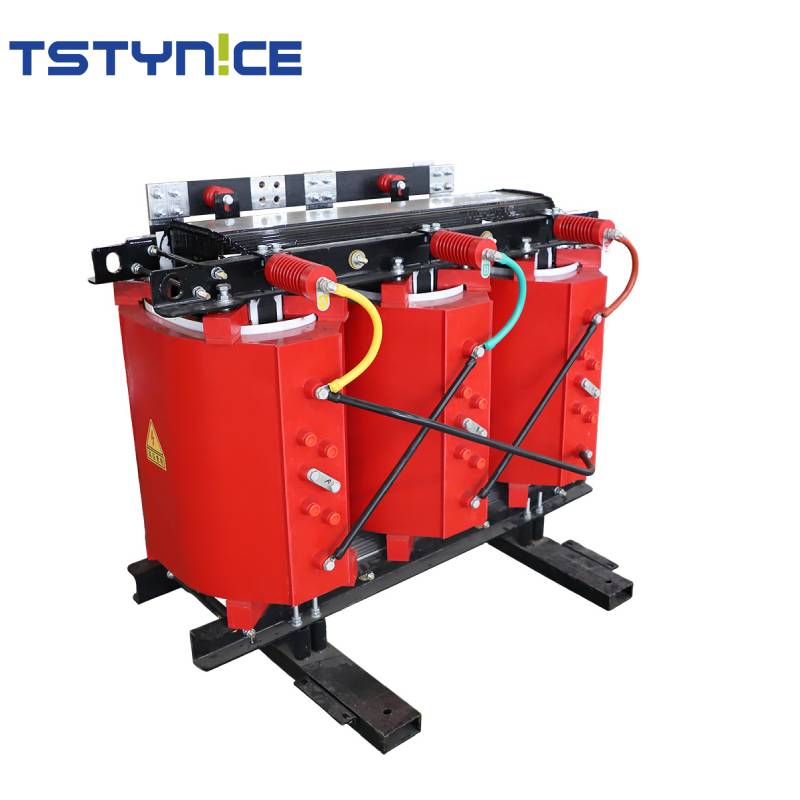
Let us look under the hood. At its core, a three-phase dry type transformer is a sophisticated electrical device engineered to manage three alternating currents simultaneously. This is the absolute standard for commercial and industrial grids. Unlike legacy models, the dry-type designation indicates a completely different thermal management approach. The system regulates its internal temperature through natural convective airflow or forced air ventilation. It completely bypasses the need for insulating dielectric oil.
How do these units actually work on the floor? Operating on the foundational principles of electromagnetic induction, they transfer electrical energy between two or more circuits through a shared magnetic field. Solid insulation materials meticulously shield the internal coils. You will typically see robust cast resin or Vacuum Pressure Impregnated coatings. This solid encapsulation prevents electrical arcing. Specifically, it also acts as a highly efficient thermal conduit, dissipating accumulated heat directly into the surrounding atmosphere.
There are two primary configurations you will encounter in the field. Cast Resin Dry Type Transformers are specifically tailored for harsh, unforgiving environments. These models feature coils entirely encased in solid epoxy resin. This impenetrable armor makes them highly resistant to moisture and airborne contaminants. In contrast, Vacuum Pressure Impregnated units feature copper or aluminum coils deeply saturated with a high-temperature polyester. These units are exceptionally versatile. They serve as the reliable backbone for general commercial power distribution.
When evaluating infrastructure upgrades, the foremost consideration is always safety. Because they lack volatile liquids, these transformers inherently neutralize the threat of spontaneous fires. Materials like cast resin possess self-extinguishing properties. This offers an unparalleled layer of security for building occupants and maintenance personnel.
Beyond safety, spatial economy is a massive advantage. Their space-saving design permits installation directly adjacent to the electrical load. You can place them right on a busy factory floor or tuck them inside a tight utility closet. Facility planners no longer need to allocate square footage for expensive fire-proof concrete vaults. Cumbersome oil containment pits are entirely eliminated.
From an environmental sustainability standpoint, the benefits are equally compelling. These systems are entirely non-toxic. There is no looming threat of groundwater contamination from slow fluid leaks. Furthermore, contemporary encapsulation techniques provide formidable moisture resistance. Advanced resin coatings seal the vital windings away from degrading humidity, corrosive industrial fumes, and abrasive dust. This ensures unwavering performance year after year.
Navigating the technical landscape requires a firm grasp of Kilovolt-Ampere ratings. This metric represents the apparent power the unit can safely handle. It remains the single most critical factor during the selection process. Choosing an undersized unit invites dangerous overheating. Over-specifying wastes capital and inflates energy losses. Let us break down the exact parameters you need for a successful deployment.
Small to medium deployments rely on compact powerhouses. We frequently deploy 63kVA, 100kVA, 225kVA, and 300kVA models to support localized commercial demands. You will find them managing extensive lighting circuits. They drive heavy-duty HVAC systems and power specialized fabrication equipment in light manufacturing facilities.
What happens when energy demands scale up? Heavy-duty configurations step in. Massive units rated at 500kVA, 630kVA, and 750kVA handle primary building power feeds. They sustain the relentless draw of data center server halls. They drive high-torque industrial motors without breaking a sweat. Selecting a precisely sized Three-Phase Dry Type Transformer translates to long-term operational stability.
Voltage ratios also play a pivotal role. Modern power architectures frequently rely on standard step-down ratios. Dropping a 480V primary line down to a usable 208Y/120V secondary feed is standard practice. This safely distributes electricity to standard wall receptacles and office equipment.
To finalize a procurement decision, you must weigh the tangible differences between solid-state and liquid-cooled technologies. While oil-filled variants frequently boast a lower upfront purchase price, dry-type technology overwhelmingly wins on total installation expenditure. Let us look at the core comparison.
Feature | Dry-Type Transformer | Oil-Filled Transformer |
|---|---|---|
Cooling Medium | Ambient Air or Solid Cast Resin | Flammable Dielectric Oil |
Installation Cost | Low. No blast walls or vaults required. | High. Requires concrete vaults and catch pits. |
Maintenance Burden | Minimal. Routine visual checks and dusting. | High. Recurring fluid sampling and leak repairs. |
Safety Risk Profile | Virtually fire-proof and self-extinguishing. | High explosion and severe fire hazard. |
Environmental Impact | Eco-friendly with zero fluid leak risk. | Toxic with high soil contamination potential. |
Upkeep presents a stark contrast. A solid-state setup generally only asks for routine visual inspections and occasional air-blowing to clear accumulated dust. In addition, physical placement dictates the technology. Dry models are designed for indoor integration and close-to-load proximity. Liquid-filled units are typically banished to outdoor pads. This consequently increases costly cabling runs.
The unique intersection of absolute safety and a condensed footprint allows these units to thrive in specialized environments. Traditional liquid-filled models would be strictly prohibited in these sectors.
Hospitals and Healthcare Facilities: Fire safety and indoor placement are non-negotiable. Dry-type units provide reliable power to life-saving diagnostic equipment without introducing flammable hazards into patient care wings.
Data Centers: Server racks consume massive amounts of energy. Floor space is at an absolute premium. These transformers can be positioned incredibly close to the load, minimizing voltage drop and maximizing expensive real estate.
Commercial High-Rise Buildings: Hoisting a liquid-filled unit up forty stories requires immense structural reinforcement. Conversely, dry variants are routinely installed on upper floors with minimal structural burden.
Underground Mining and Transit: Deep subterranean environments suffer from limited ventilation. The total elimination of fire and toxic smoke risks is paramount for worker survival.
The power distribution sector is currently experiencing a rapid technological evolution. Global pushes toward grid modernization and stringent safety mandates are driving this shift. Recent industry analyses highlight a significant surge in the adoption of solid-state and resin-cast power solutions. As urbanization densifies, the demand for safe, decentralized power generation grows exponentially.
The most prominent trend is the widespread integration of Industrial Internet of Things sensors. We are entering the era of smart transformers. Modern units are increasingly equipped with real-time thermal monitoring, acoustic diagnostics, and predictive maintenance algorithms. This connectivity allows facility managers to identify microscopic anomalies before they escalate into costly unplanned outages.
Furthermore, sustainability is driving material science forward. Manufacturers are actively phasing out traditional epoxies in favor of advanced, highly recyclable casting resins. Continuous metallurgical improvements in core construction are pushing efficiency boundaries. The rapid adoption of amorphous metal cores slashes no-load energy losses to near negligible levels. This is a critical factor for facilities operating around the clock.
Successful deployment begins with meticulous site preparation. Proper ventilation is the lifeblood of these systems. Engineers must accurately calculate the heat dissipation requirements. You must decide between Air Natural passive cooling or Air Forced active fan cooling based on the ambient temperature of the room.
Maintaining strict clearance requirements around the enclosure is critical. Unobstructed airflow prevents thermal bottling. Adequate spacing ensures technicians can safely perform future inspections. Specifically, integrating heavy-duty vibration isolation pads beneath the base will significantly dampen acoustic hum. This is a vital detail for installations near quiet office spaces.
Always begin maintenance by completely de-energizing and properly grounding the equipment. The primary maintenance task involves meticulously cleaning dust and debris from the intricate windings and internal cooling ducts. A buildup of particulate matter acts as a thermal blanket. It traps heat and accelerates insulation degradation. Finally, technicians should rigorously check all terminal connections for proper torque specifications while scanning the hardware for any telltale signs of thermal discoloration.
The transition away from combustible liquid-cooled systems is not merely a passing trend. It is a necessary evolution in electrical engineering. The solid-state transformer stands as an indispensable asset for modern power grids. It seamlessly blends absolute safety, a highly compact footprint, and unwavering operational reliability.
The drastic reduction in maintenance labor and the elimination of costly fire-rated architectural vaults forge a superior long-term investment. Now is the time to thoroughly assess your facility power architecture. Whether you need a nimble 63kVA unit for localized lighting or a massive 750kVA Three-Phase Dry Type Transformer for a heavy industrial feed, making the right choice is critical.
Do not compromise on your infrastructure. Evaluate your load requirements, consider the environmental constraints, and consult with top-tier manufacturers. Visit TSTY to find the exact brand and product specifications that perfectly align with your operational demands. Secure your facility with safe, compact, and highly efficient power solutions today.
Absolutely. While they are predominantly celebrated for indoor applications, outdoor installation is entirely feasible. The unit must be housed within a specially designed, weatherproof enclosure. Utilizing a NEMA 3R or higher rated cabinet effectively shields the sensitive internal components from driving rain, snow, and extreme environmental elements.
When subjected to proper routine maintenance and situated in an environment with adequate ventilation, these robust units typically deliver a reliable service life of 20 to 25 years. In many instances, particularly when operating below maximum load thresholds in clean, climate-controlled rooms, they can significantly outlast this baseline expectation.
Inherently, they can produce slightly higher acoustic emissions because they lack the dense, sound-dampening liquid barrier found in oil-filled models. However, modern engineering techniques successfully mitigate this hum. Sophisticated core clamping methods and the strategic deployment of vibration isolation pads keep noise levels well within strict acceptable limits for commercial office buildings.
These acronyms define the thermal management strategy. AN stands for Air Natural. This means the system relies entirely on the passive, natural convection of ambient air to dissipate heat. Conversely, AF denotes Air Forced. This utilizes integrated mechanical cooling fans. Engaging an AF system can temporarily boost power handling capacity by an impressive 30 percent during peak load events.
Both materials are highly effective. The best choice hinges on your specific project constraints. Copper is the premium option. It offers superior electrical conductivity and allows for a physically smaller footprint. Aluminum is significantly lighter and generally more budget-friendly. Your final decision should balance spatial limitations against your procurement budget.
Before bringing a new unit online, frontline engineers conduct a series of rigorous baseline tests. This includes measuring insulation resistance with a megohmmeter to ensure the windings are free from moisture. We also perform winding resistance tests and verify the voltage turns ratio. These steps guarantee the unit matches factory specifications and is safe to energize.
The temperature rise depends entirely on the insulation class specified during manufacturing. Standard designs typically feature a temperature rise of 80 degrees Celsius, 115 degrees Celsius, or 150 degrees Celsius above ambient room temperature. Selecting a lower temperature rise, such as 80 degrees Celsius, often results in a more robust unit with superior overload capabilities and a longer overall lifespan.